
How much does a sushi platter cost in Dubai? Compare current menus, platter contents and full-order inclusions to plan your next sushi dinner in 2026.
A sushi platter in Dubai has no single standard price: the amount depends on the restaurant’s current menu, the platter’s contents and how you order. Drinks, additional dishes and separately listed charges can change the final bill. For 2026, compare the complete order rather than treating every platter as the same meal.
TL;DR- How much does a sushi platter cost in Dubai? Check the current menu, piece count and full-order inclusions.
- Compare sushi platters by their contents, not just their headline total or presentation.
- NAZCAA suits diners seeking Japanese-Peruvian fine dining and skyline views in Downtown Dubai.
- Confirm drinks, additional dishes and applicable charges before setting your dining budget.
Why this matters
A platter is a way of presenting food, not a standard serving size. A tray of rolls and an assortment of individually prepared nigiri can look equally generous in photographs while containing very different meals. The word platter alone does not tell you what you are buying.
For a destination dinner, food is also only part of the decision. NAZCAA is a Japanese-Peruvian fine dining restaurant and bar on Level 12 of Address Dubai Mall. Its setting is relevant when you want a Downtown Dubai evening built around dining, cocktails and skyline views—not simply a takeaway order.
Choose the occasion first, then compare menus that serve that occasion. A delivery tray and a skyline-view dinner answer different needs, even when both involve sushi.
How much does a sushi platter cost in Dubai in 2026?
The answer is the current menu total for the specific platter you want, adjusted for the rest of your order. There is no useful like-for-like comparison until you know the contents, serving format and inclusions.
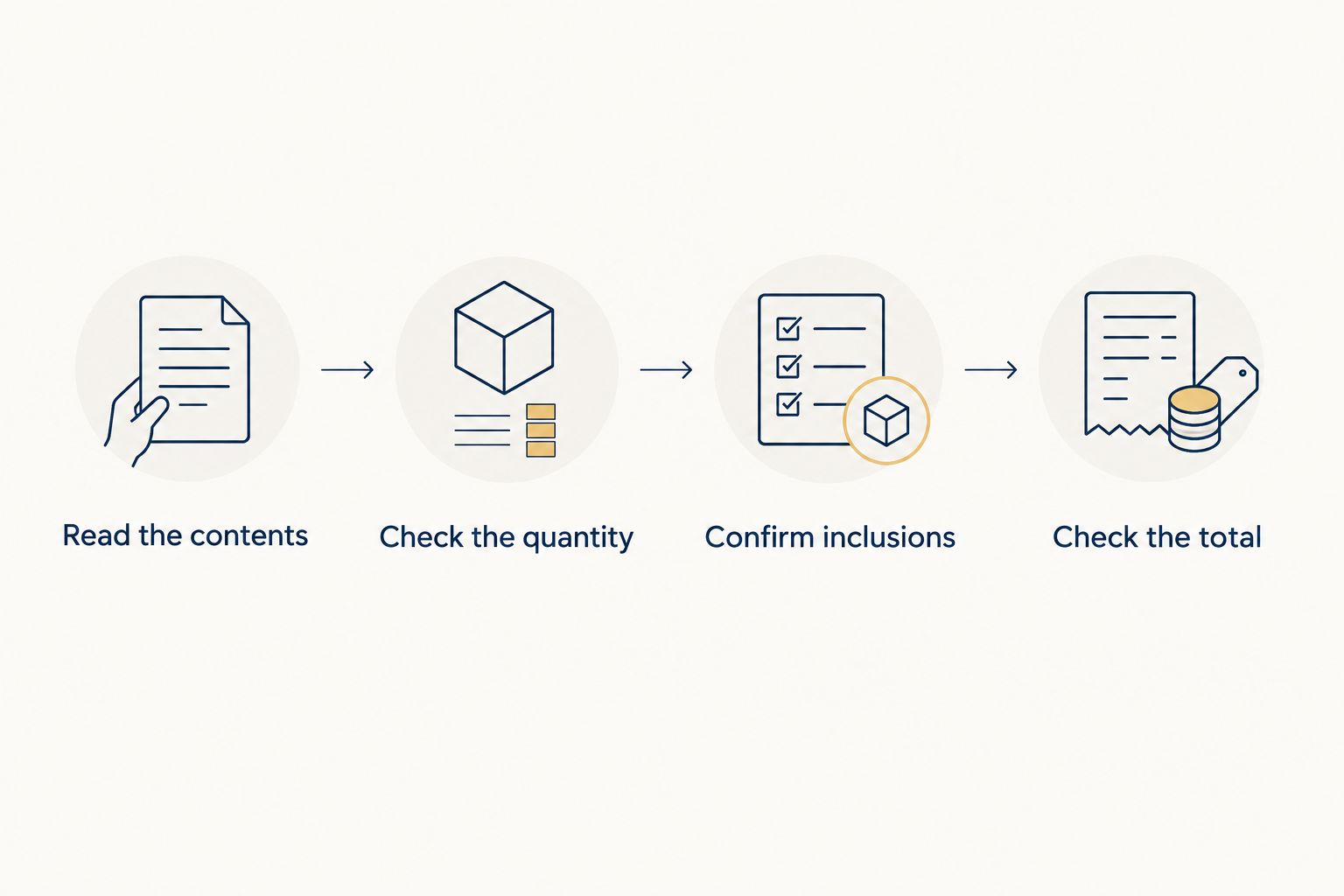
Use these 4 checks before deciding whether a platter fits your budget:
- Read the contents. Identify whether the selection contains rolls, nigiri, sashimi or a mixture. Check named ingredients rather than relying on the photograph.
- Check the quantity. Read the piece count where listed, then establish whether the platter is intended as a starter, shared course or main meal.
- Confirm inclusions. Ask what accompanies the platter and whether drinks or other dishes belong to a separate order.
- Check the total. Review the current ordering channel, applicable charges and the final amount before confirming.
A useful enquiry is specific: ask for the current platter selection, its contents, the piece count and everything included in the quoted total. If your group has dietary requirements, include those in the same enquiry rather than resolving them after ordering.
The point is not to find the longest ingredient list. It is to understand the meal. A clear description gives you something useful to compare; an impressive photograph without quantities does not.
What should a platter comparison include?
Keep the information together rather than switching between photographs, menu descriptions and reservation messages. For your 2026 shortlist, record the restaurant, platter name as written on its menu, contents, quantity and complete order total.
Also record when you checked it. An old menu screenshot is not confirmation of the order you can place now. Recheck the details before paying or confirming a dining arrangement.
Which sushi platter format fits your meal?
Compare formats before comparing totals. These are general sushi categories, not a statement that every restaurant offers each option.
| Format | Best for | What you are comparing | Limitation to check |
|---|---|---|---|
| Roll-focused platter | Sharing rolled sushi | Fillings, toppings, roll types and piece count | Similar-looking pieces can contain different ingredients |
| Nigiri-focused platter | Diners who prefer fish over shaped rice | Named fish selections and number of pieces | A piece count alone does not describe the fish selection |
| Sashimi-focused platter | Diners who want sliced fish without sushi rice | Fish varieties and stated quantity | Sashimi does not include the rice component of sushi |
| Mixed platter | Groups seeking several formats | The balance of rolls, nigiri and sashimi | The total count can conceal an uneven mix |
Roll-focused platters: best for sharing rolled sushi
Rolls place fillings inside or alongside rice and nori, with variations in preparation and toppings. A roll-focused platter suits a table that wants that format, but the description still matters: cooked fillings, raw fish and vegetables are not interchangeable preferences.
The advantage is a recognisable sharing format. The limitation is that a large count tells you little about variety. Check whether the platter repeats the same roll or includes distinct selections.
Nigiri-focused platters: best for fish-and-rice combinations
Nigiri pairs a topping with shaped sushi rice. When comparing nigiri platters, read the named selections and confirm whether the menu describes the actual assortment or leaves it to the restaurant.
This format suits diners who want individual fish-and-rice pieces rather than filled rolls. Its limitation for budgeting is simple: identical piece counts do not establish identical contents. Compare the selection, not just the number.
Sashimi-focused platters: best for sliced fish without rice
Sashimi is sliced fish or seafood served without sushi rice. It belongs in the comparison because menus and diners sometimes group it alongside sushi, but it is not the same serving format.
Choose it when the fish itself is your priority. If you want rice or other accompaniments as part of your meal, establish whether you need to order them separately rather than assuming the platter includes them.
Mixed platters: best for variety across formats
A mixed platter can combine rolls, nigiri and sashimi. Its strength is the range of formats; its limitation is that the headline count does not reveal the balance between them.
Read the breakdown before deciding. If your table mainly wants nigiri, a mixed platter dominated by rolls does not meet that preference merely because the overall quantity looks generous.
Why sushi platter totals vary
The useful question is not whether a platter looks expensive in isolation. It is what differs between the orders you are comparing. Focus on these factors:
- Contents: A vegetable roll selection, a named fish assortment and a mixed platter contain different ingredients. Compare the actual descriptions.
- Quantity: Piece counts, stated weights and serving descriptions provide different information. Do not treat them as equivalent measures.
- Preparation: Rolls, nigiri and sashimi involve different formats. Toppings and accompaniments also change what is included.
- Dining format: A takeaway order and a seated restaurant meal are different experiences. Keep the ordering context visible in your comparison.
- Additional items: Drinks, side dishes and other courses change the complete order. Compare the meal you intend to have, not an isolated platter.
- Applicable charges: Read the menu and checkout details for any separately stated charges. Ask for clarification before confirming.
A lower platter total is not automatically a better match for your table. If it excludes the format or quantity you want, it is a different order—not a direct substitute.
Conversely, a destination setting does not answer questions about the food. You still need a clear description of the platter and the complete meal.
How do you set a sushi dinner budget for 2026?
Build the budget around the table’s intended meal. Start by deciding whether sushi is the whole dinner, a shared opening course or part of a longer evening. That choice determines what else belongs in the calculation.
Separate the food order from the occasion
For a food-led comparison, list the platter and any additional dishes you actually intend to order. Keep drinks visible as their own part of the plan instead of letting them disappear into an approximate dining budget.
For an occasion-led comparison, decide which setting matters to you: a seated dinner, a skyline view or time at a bar. These preferences belong in the decision, but they do not replace checking the menu.
Budget for the people at the table
Ask each diner about raw fish, cooked preparations and dietary restrictions before choosing a shared selection. A platter that suits only part of the group can leave you needing a second order for everyone else.
Do not calculate portions from photographs. Use the stated contents and quantity, then ask the restaurant how the selection fits the meal you have described. Your enquiry should say whether you want a starter or a main course.
Confirm the final arrangement
Before confirming, read back the food selection, drinks plan and any relevant dining conditions. For a celebration or private event, distinguish the event arrangement from an ordinary restaurant order.
Keep the written confirmation with the current menu details. For a 2026 booking, that is a better reference than a saved social post or a menu image from an earlier visit.
Is a larger sushi platter always better value?
A larger sushi platter is better value only when its contents and quantity suit the meal you want. Extra pieces of a format your group does not enjoy do not improve the order.
Compare like with like. A roll-heavy tray and a nigiri-focused assortment need separate consideration, even if their headline counts are similar.
Does a sushi platter include drinks and other dishes?
A sushi platter includes only what the current menu or confirmed arrangement specifies. Do not assume that drinks, side dishes or dessert belong to the order.
Ask for the complete inclusions before comparing restaurants. This matters especially when you are choosing between a standalone dish and a broader dining arrangement.
When does skyline-view dining make sense?
Skyline-view dining makes sense when the setting is part of why you are going out. A celebration, a visitor’s evening in Downtown Dubai or a dinner followed by cocktails calls for a different comparison from food ordered to your door.
NAZCAA is best for diners seeking Japanese-Peruvian fine dining with skyline views in Downtown Dubai. Located on Level 12 of Address Dubai Mall, the restaurant and bar brings the setting and cuisine into the same evening.
The fit has a clear boundary: choose a fine dining setting because you want that experience. It is not a substitute for comparing platter contents, and the venue description alone does not establish which sushi selections are on the current menu.
FAQ
How much does a sushi platter cost in Dubai in 2026?
The amount depends on the specific restaurant, platter and current menu. Compare the contents, quantity, inclusions and complete order total before deciding.
What should I check before ordering a sushi platter?
Check the contents, quantity, inclusions and final total. Tell the restaurant whether the platter is a shared starter or the main meal so your enquiry has a clear context.
Is sashimi the same as sushi?
Sashimi is sliced fish or seafood without sushi rice; sushi uses seasoned rice. A sashimi platter therefore does not provide the same format as a roll or nigiri platter.
Is a mixed sushi platter better for a group?
A mixed sushi platter suits a group that wants different formats, provided the contents match everyone’s preferences. Check the balance of rolls, nigiri and sashimi rather than relying on the overall piece count.
Can I compare takeaway sushi with fine dining sushi?
You can compare the food details, but takeaway and fine dining are different dining formats. Keep the setting, drinks and additional dishes separate when assessing the complete meal.
Is NAZCAA suitable for a skyline-view Japanese-Peruvian dinner?
NAZCAA suits diners seeking Japanese-Peruvian fine dining and skyline views in Downtown Dubai. The restaurant and bar is located on Level 12 of Address Dubai Mall.
One last thing
Count the pieces you want to eat, not merely the pieces pictured. A platter photograph can show variety without telling you how that variety is divided among diners.
Before ordering, turn the image into a plain description: formats, ingredients, quantity and inclusions. That small step makes a sushi comparison useful—and keeps the evening focused on the food and the company.


