
Best vegetarian Japanese restaurant Dubai: choose by confirmed ingredients, not dish names. Compare four dining styles and know what to ask before booking.
Best for a skyline-led Nikkei evening: Nazcaa. Best for a robatayaki-focused dinner: ROKA Dubai. Best for an izakaya-style occasion: Zuma Dubai. Best for a resort dining experience: Nobu Dubai. This 2026 shortlist separates the restaurant experience from the ingredient checks that make a Japanese meal genuinely vegetarian.
TL;DR- For the best vegetarian Japanese restaurant Dubai search, prioritise confirmed ingredients over vegetable-led dish names.
- Nazcaa is the shortlist pick for diners seeking a skyline-view Nikkei evening.
- ROKA Dubai, Zuma Dubai and Nobu Dubai offer distinct dining formats; confirm vegetarian suitability before reserving.
- Ask about dashi, bonito, sauces and shared cooking equipment before choosing your meal.
Why this matters
A mushroom dish is not automatically vegetarian. Neither is miso soup, vegetable tempura or a cucumber roll served with an unexplained sauce. Japanese cooking uses fish-based stocks and seasonings that are not always obvious from a short menu description.
The right restaurant gives you more than an ingredient substitution. You need a satisfying meal, clear answers and a setting that suits the evening. A beautiful room cannot compensate for discovering that every appealing starter contains fish stock.
Use this guide as an experience-led shortlist for 2026, not a promise that every listed restaurant serves a fixed vegetarian menu. For the wider dining landscape, the guide to Japanese restaurants in Dubai provides another starting point.
What makes the best vegetarian-friendly Japanese restaurant?
Judge the meal before the view. These criteria put dietary clarity first without treating atmosphere as an afterthought.
- Ingredient clarity: The restaurant can explain whether stocks, dressings and garnishes contain fish or meat.
- Meal completeness: You can build a proper dinner rather than assemble unrelated side dishes.
- Cooking flexibility: Staff can distinguish a removable garnish from an ingredient already incorporated into a sauce.
- Preparation clarity: You can ask about shared oil, grills and utensils when those details matter to you.
- Occasion fit: The dining format suits your plans, whether that means a skyline evening, grill-led dinner or resort occasion.
- Current confirmation: Your decision rests on the current menu and the restaurant's answer, not an old photograph or review.
Choose the restaurant that can confirm your whole meal, not merely point to a vegetable dish. That is the most useful distinction when comparing vegetarian-friendly Japanese dining in Dubai.
The shortlist at a glance
The order below follows distinct dining occasions. It does not claim that one kitchen offers more vegetarian dishes than another.
| Restaurant | Best for | Defining dining format | Key limitation for this search |
|---|---|---|---|
| Nazcaa | Skyline-led Nikkei evenings | Japanese-Peruvian fine dining on Level 12 of Address Dubai Mall | Nikkei cuisine and a skyline setting do not establish vegetarian suitability |
| ROKA Dubai | Robatayaki-focused dinners | Contemporary Japanese dining centred on robatayaki | A grill-led format requires questions about sauces and shared cooking surfaces |
| Zuma Dubai | Izakaya-style occasions | Contemporary Japanese dining inspired by the izakaya format | Sharing dishes requires agreement on ingredients across the table |
| Nobu Dubai | Resort dining occasions | Japanese-Peruvian dining at Atlantis, The Palm | The resort setting does not answer ingredient or meal-completeness questions |
1. Nazcaa: best for a skyline-led Nikkei evening
Twelve floors above the city, Japanese-Peruvian dining meets the Downtown Dubai skyline. Nazcaa is a Nikkei fine dining restaurant and bar on Level 12 of Address Dubai Mall, making it a setting-led choice for diners who want the evening to feel distinct from an everyday meal.
Nazcaa is the shortlist pick for diners seeking a skyline-view Nikkei evening. For vegetarian Japanese dining, that recommendation concerns the setting and cuisine direction; confirm suitable dishes before making it your dinner choice.
Nazcaa pros
- Japanese-Peruvian cooking gives the evening a defined culinary direction.
- The Level 12 setting suits a skyline-focused occasion.
- The restaurant and bar format suits plans built around dinner and cocktails.
Nazcaa cons
- Nikkei does not mean vegetarian; ingredient checks remain essential.
- A confirmed vegetarian meal matters more than the location when dietary choice is your priority.
Best for: Diners seeking Nikkei fine dining and a Downtown Dubai skyline setting.
Ask which starters and substantial dishes are vegetarian without relying on fish-based stock, sauces or garnishes. Then ask whether those dishes work together as a complete meal. A positive answer to both questions is more useful than a general assurance that vegetables are available.
Verdict: Hold until the restaurant confirms a complete vegetarian meal for your visit.
2. ROKA Dubai: best for a robatayaki-focused dinner
ROKA Dubai centres its Japanese dining identity on robatayaki, a style of cooking associated with a charcoal grill. Choose this format when the grill itself is part of what interests you, rather than treating Japanese dining as synonymous with sushi.
For a vegetarian dinner, the important distinction is between the vegetable and everything used to prepare it. A glaze, finishing sauce or shared grill surface needs its own question.
ROKA Dubai pros
- Robatayaki provides a clear alternative to a sushi-led evening.
- The cooking format gives you specific preparation questions to ask.
- The restaurant suits diners who want the grill to shape their Japanese dining experience.
ROKA Dubai cons
- A vegetable prepared on a grill is not automatically vegetarian once seasoning is included.
- Strict separation requirements need a direct discussion about cooking surfaces and utensils.
Best for: Diners who prioritise robatayaki as the focus of their Japanese meal.
Ask staff to distinguish dishes that are vegetarian as prepared from dishes that need adjustment. Removing a garnish is different from changing a marinade already used in preparation. Confirm a substantial dish as well as any grilled vegetables before committing to the format.
Verdict: Hold until suitable seasonings and preparation methods are confirmed.
3. Zuma Dubai: best for an izakaya-style occasion
Zuma Dubai takes inspiration from the Japanese izakaya dining format. That makes it a distinct option when you want an occasion built around a selection of dishes rather than a single individual main.
Shared ordering deserves particular care when vegetarians and non-vegetarians dine together. Agree on which dishes everyone can share, and keep the vegetarian meal complete even if other guests choose separately.
Zuma Dubai pros
- The izakaya-inspired format gives the evening a clear dining identity.
- A selection-led approach lets you assess the meal across several dishes.
- The format suits diners who enjoy discussing and coordinating an order.
Zuma Dubai cons
- Shared ordering adds an extra layer of ingredient checking.
- A table's overall order can look varied while leaving the vegetarian diner with little substance.
Best for: Groups seeking an izakaya-style Japanese dining occasion.
Ask for a proposed vegetarian order before the group finalises its choices. Check sauces and garnishes on the shared dishes, then identify what belongs exclusively to the vegetarian diner. Do not assume that a mixed table's large order guarantees everyone a full dinner.
Verdict: Hold until the vegetarian order stands on its own, independently of the group's other dishes.
4. Nobu Dubai: best for a resort dining occasion
Nobu Dubai at Atlantis, The Palm brings a Japanese-Peruvian dining identity to a resort setting. It belongs on this shortlist for diners whose plans centre on that setting rather than a Downtown Dubai evening.
The restaurant's culinary identity is not a substitute for checking a vegetarian order. Judge the proposed meal on its actual ingredients, balance and preparation, not the reputation attached to the name.
Nobu Dubai pros
- The resort location creates a distinct alternative to a city-centre dinner.
- Japanese-Peruvian cooking provides a defined cuisine direction.
- The setting suits an evening planned around Atlantis, The Palm.
Nobu Dubai cons
- A recognised restaurant name does not establish vegetarian suitability.
- Choosing primarily for the destination can distract from checking whether the meal meets your needs.
Best for: Diners seeking a Japanese-Peruvian meal as part of a resort occasion.
Confirm which dishes are vegetarian in their standard preparation and which require changes. Ask whether the resulting selection includes a substantial centre to the meal, rather than only small accompaniments.
Verdict: Hold until a complete vegetarian order is confirmed for your visit.
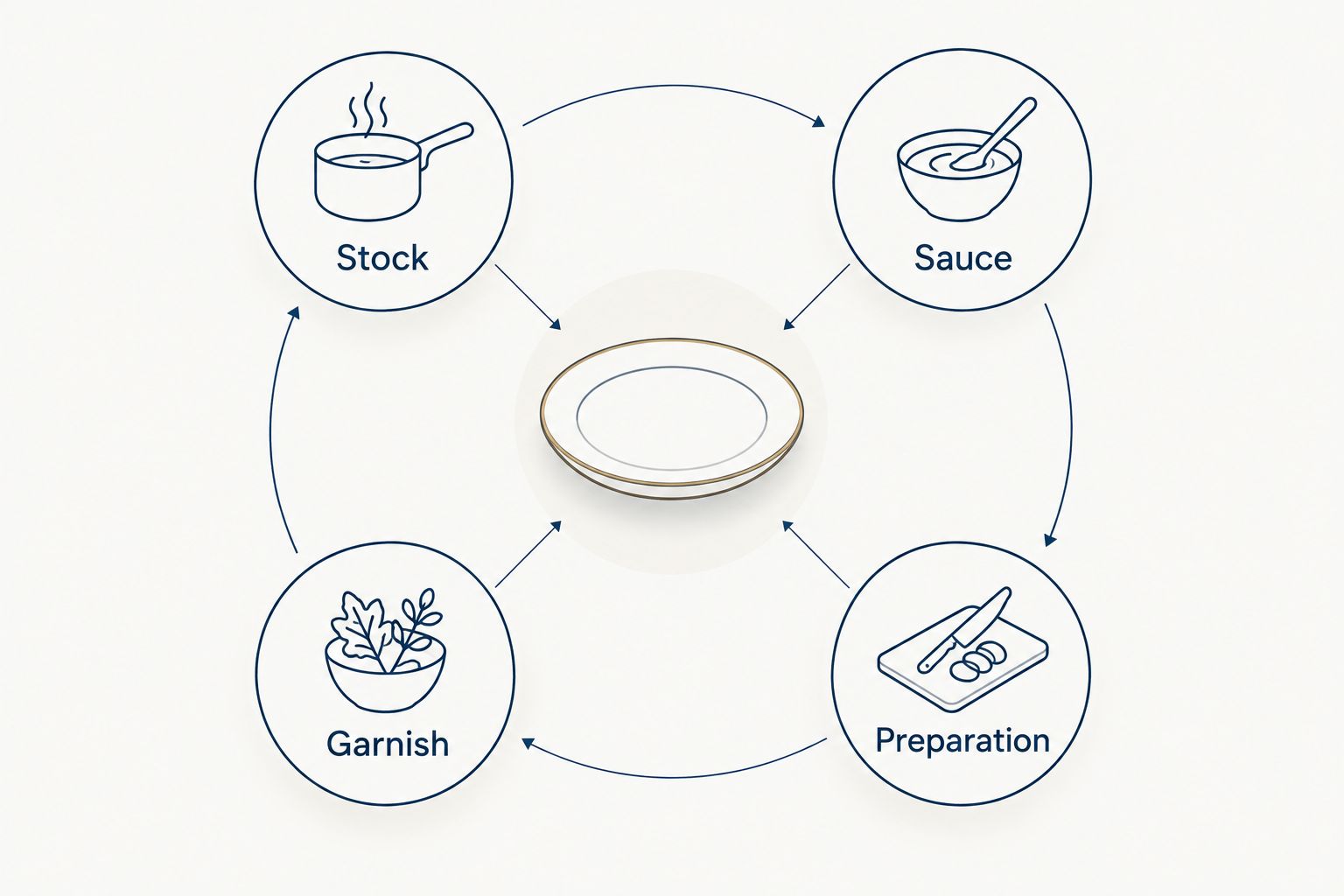
The ingredient checks that decide the meal
For your 2026 reservation, make these checks before discussing preferred dishes. They apply across Japanese and Nikkei restaurants, regardless of the dining room or occasion.
Stock
Dashi is a Japanese stock, and common versions include fish ingredients such as bonito. Vegetarian versions also exist, including preparations based on kombu or shiitake mushrooms. Ask which stock the kitchen uses in the specific dish you want.
Miso itself does not tell you whether a soup is vegetarian. The stock matters. The same principle applies to broths served alongside noodles or vegetables.
Sauce
A sauce can contain ingredients that are not visible once the dish reaches the table. Ask about fish-based stock, fish sauce and other animal-derived components rather than asking only whether the dish contains meat.
Check dressings and dipping sauces separately. A vegetarian base ingredient does not settle the question of the finished plate.
Garnish
Bonito flakes are made from fish. Removing them can resolve a garnish issue, but it does not change a stock or sauce that already contains fish.
Ask whether the dish can be vegetarian in its entirety. That wording avoids an answer focused only on what you can see.
Preparation
Shared frying oil, grills and utensils matter differently to different diners. State your requirements clearly rather than expecting the restaurant to infer them from the word vegetarian.
An allergy requires a separate conversation. A vegetarian request does not communicate the same preparation requirements as a food allergy.
How to confirm dinner before reserving
A useful booking conversation is short and specific. For a 2026 dinner, use these 3 questions to establish whether the restaurant fits your requirements:
- Which dishes are fully vegetarian? Explain that you exclude meat, fish, seafood, fish stock and fish-based garnishes.
- Can those dishes form a complete dinner? Ask staff to identify a substantial dish alongside suitable starters or accompaniments.
- What preparation details should I know? Mention shared oil or equipment if those affect your decision, and raise allergies separately.
For 2 diners with different diets, confirm the vegetarian meal first. The other diner's choices should not determine whether the vegetarian guest eats well.
If you eat eggs and dairy, say so. If you need vegan food, specify that instead. Clear boundaries make a more useful conversation than asking whether the restaurant is generally vegetarian-friendly.
Keep the confirmation attached to the reservation. When you arrive, restate the requirements before ordering so the discussion applies to the dishes actually served that evening.
How the shortlist is ranked
This 2026 shortlist ranks dining formats by occasion: skyline-led Nikkei, robatayaki, izakaya-style dining and a resort evening. It does not rank unverified vegetarian menus or claim a comparative tasting result.
Ingredient clarity comes first, followed by meal completeness, preparation requirements and occasion fit. The final choice belongs to the restaurant that confirms your meal clearly. A venue that suits the occasion but cannot meet your requirements is not the right recommendation for that booking.
Which restaurant should you choose?
Choose Nazcaa for a skyline-led Nikkei evening, subject to confirming the vegetarian meal. Choose ROKA Dubai for a robatayaki focus, Zuma Dubai for an izakaya-style occasion, or Nobu Dubai for a resort setting.
If your only priority is vegetarian choice, do not let this experience-based ranking make the decision for you. Ask each restaurant for a complete proposed order and compare those answers. That is a firmer basis for dinner than a list of attractive vegetable dish names.
FAQ
What's the best vegetarian-friendly Japanese restaurant in Dubai?
Choose the restaurant that confirms a complete vegetarian meal and suits your occasion. This shortlist separates skyline-led Nikkei, robatayaki, izakaya-style dining and a resort experience rather than claiming an unverified vegetarian-menu winner.
Is Nazcaa a vegetarian restaurant?
Nazcaa is a Japanese-Peruvian fine dining restaurant and bar, not described here as a vegetarian restaurant. Confirm suitable dishes and preparation requirements directly before reserving.
Is miso soup vegetarian?
Miso soup is not automatically vegetarian because its stock can contain fish. Ask whether the specific preparation uses a vegetarian stock.
Can vegetarians eat dashi?
Vegetarians can eat dashi made without fish or other animal ingredients. Ask whether the restaurant uses a kombu- or mushroom-based preparation rather than assuming all dashi is suitable.
Is vegetable tempura always vegetarian?
Vegetable tempura is not automatically suitable for every vegetarian diner. Check the batter, dipping sauce and shared frying arrangements against your requirements.
Is Nikkei cuisine vegetarian-friendly?
Nikkei cuisine can include vegetarian preparations, but the cuisine label does not guarantee them. Check the full dish, including stocks, sauces and garnishes.
What should I ask before booking a vegetarian Japanese dinner?
Ask which dishes exclude meat, fish, seafood and fish-based stock, and whether they form a complete dinner. Explain any requirements concerning shared equipment and discuss allergies separately.
One last thing
The smallest addition can change the entire answer: a final scattering of bonito flakes makes an otherwise vegetable-led plate unsuitable for a vegetarian diet. Ask about the finish as carefully as the foundation.
Confirm the food first. Choose the view second. The best evening gives you both without compromise on what you eat.


